
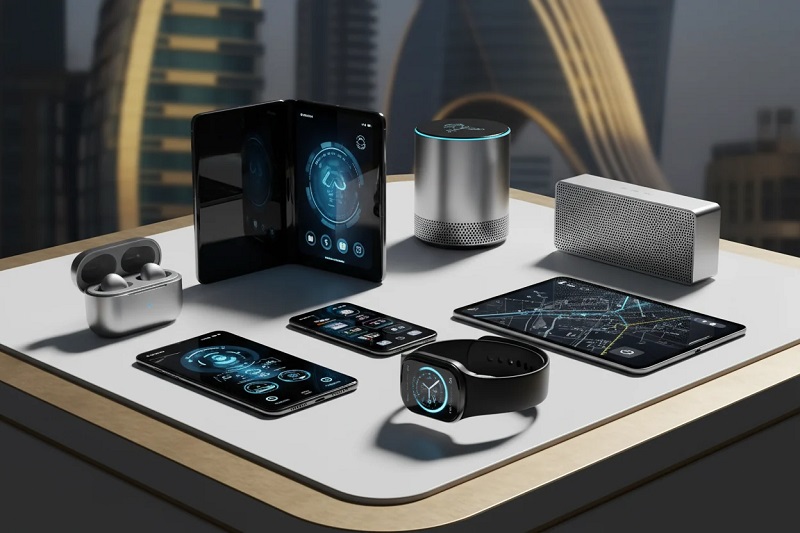

The consumer technology industry runs on an extraordinarily effective novelty engine. Sleek launch keynotes, cinematic unboxing videos, and algorithmic product feeds are engineered to convince us that our existing devices are embarrassingly obsolete. Every product iteration promises to streamline our workdays, optimize our health metrics, or inject effortless convenience into our homes.
Yet, most households harbor a drawer filled with forgotten purchases: smart rings worn for a month, specialized kitchen appliances used twice, or premium headphones abandoned because they proved too cumbersome for daily commuting. Buying new technology should feel exciting, but long-term satisfaction requires cutting through aggressive promotional narratives. Before committing your hard-earned money to the latest piece of hardware, stepping back to evaluate a few fundamental considerations will ensure you purchase a tool that delivers lasting value rather than a temporary dopamine hit.
Distinguishing Genuine Utility from Fleeting Novelty
The primary driver of buyer remorse is mistaking an intriguing technical feature for meaningful utility. Tech manufacturers excel at highlighting niche capabilities that look spectacular in a thirty-second commercial but rarely matter in routine day-to-day use. A foldable display, a voice-activated toaster, or a smart mirror sounds futuristic, but if the device does not solve an active friction point in your daily life, it will inevitably become shelf decor.
To gauge real-world value, analyze the behavioral friction required to adopt the gadget. Ask yourself unglamorous operational questions:
-
How frequently will this device need to be charged, and where will it physically sit when charging?
-
Does using the device require launching a sluggish smartphone app, or can core tasks be handled with intuitive physical inputs?
-
Will this replace an existing, proven tool, or does it merely introduce an additional, complex step to an already solved problem?
If a gadget demands significant behavioral changes or ongoing manual maintenance simply to perform basic functions, convenience quickly morphs into cognitive burden. A great gadget should effortlessly integrate into your existing habits, quietly saving time rather than demanding continuous attention.
Ecosystem Compatibility and Platform Independence
No modern tech gadget lives in a vacuum. Whether purchasing a smartwatch, a smart thermostat, or an e-reader, that hardware must coexist within your broader digital ecosystem.
Before purchasing, assess how seamlessly the device communicates with your existing devices and operating systems. Proprietary walled gardens can be exceptionally convenient when you own matching products from the same brand, but they penalize you heavily the moment you step outside their boundaries. If a smartwatch disables half its fitness-tracking or messaging capabilities when paired with a different mobile operating system, you are not simply buying a watch; you are buying into platform lock-in.
Avoiding Closed Accessory and Connector Traps
Pay close attention to hardware connectivity and charging standards. Devices that still rely on outdated micro-USB ports or proprietary magnetic charging cradles create unnecessary frustration when packing for travel or replacing a lost cable. Prioritize products that embrace open, universal industry standards like USB-C and standardized wireless protocols. Open interoperability ensures your device remains functional even if you switch phone brands or computer platforms down the road.
The Total Cost of Ownership and Subscription Creep
The initial retail price tag on a tech gadget is increasingly just an entry fee. In an era where hardware margins are tight, manufacturers routinely lean on recurring software subscriptions to generate long-term profitability. This trend—often called subscription creep—can quietly turn an apparently affordable gadget into a substantial recurring financial drain.
Connected home security cameras, for example, frequently lock person detection, rich notifications, and multi-day video history behind a monthly cloud subscription. Without that ongoing fee, the physical hardware is stripped of the very features that made it attractive in the showroom. Similarly, fitness trackers and smart scales increasingly place detailed biometric analysis, sleep coaching, and historical health trends behind premium digital memberships.
Before buying, calculate the three-year total cost of ownership. Factor in mandatory or pseudo-mandatory subscription tiers, cloud storage fees, replacement filters, proprietary adhesive mounts, and specialized consumables. If the hardware loses the majority of its functional utility the moment you cancel a monthly subscription, reconsider whether the investment is genuinely worthwhile.
Software Longevity and Security Update Commitments
Physical hardware can easily outlast the software that powers it. A well-built wireless speaker, tablet, or home sensor could mechanically function for a decade, but if the manufacturer discontinues firmware updates after eighteen months, the device becomes an insecure liability or stops functioning altogether.
Examine the manufacturer’s public track record regarding software support lifespans. Leading manufacturers now offer transparent, multi-year guarantees for operating system upgrades and monthly security patches. Obscure, white-label brands, by contrast, routinely abandon their software builds immediately after launch, leaving devices vulnerable to security exploits and incompatible with subsequent smartphone updates.
Furthermore, determine what happens to the hardware if the company ceases operations or shuts down its cloud servers. Devices that require constant communication with a central proprietary server to perform basic functions are essentially rented hardware. Prioritize gadgets that support local network processing or offline fallback modes, guaranteeing that your device will continue functioning even if the parent company pulls the plug on its backend infrastructure.
Repairability and Battery Degradation Realities
Almost all portable gadgets are powered by lithium-ion batteries, and lithium-ion batteries are chemically consumable items. Within three to four hundred charge cycles—typically two to three years of daily usage—a battery naturally degrades, holding significantly less charge and degrading device performance.
When evaluating a purchase, inspect how the device is assembled:
-
Can the battery or broken screen be replaced by an independent repair technician, or is the chassis held together with industrial glue that turns any maintenance into a destructive process?
-
Does the manufacturer make original replacement components and official service manuals accessible to regular consumers?
-
Are the primary wear-and-tear components, like charging ports and mechanical buttons, modular and easily swappable?
Supporting repairable hardware is not merely an environmental consideration; it is sound personal economics. A premium product designed with repairability in mind can often be refreshed with a new twenty-dollar battery after three years, extending its productive life cycle into a full decade. Disposable tech, by contrast, forces you to spend hundreds of dollars on a complete replacement the moment a single component degrades.
Release Cycles and the Depreciation Curve
Consumer electronics follow remarkably predictable annual refresh cycles. Smartphones, laptops, tablets, and wearable monitors are almost always updated on a twelve-month cadence. Purchasing a device at full retail price during month ten or eleven of its lifecycle is one of the easiest ways to waste money.
If a product is approaching its anticipated refresh window, waiting just a few weeks yields significant advantages. You can either purchase the newly released iteration with updated specifications and longer software support, or you can purchase the previous-generation model at a heavy clearance discount.
In many product categories, the performance gap between consecutive generations has narrowed substantially. Processor speeds and display improvements have reached a point of diminishing returns for everyday tasks like web browsing, streaming, word processing, and photography. Often, buying the previous year’s flagship model offers ninety-five percent of the experience at a fraction of the cost, making it one of the smartest purchasing strategies in personal tech.
Making deliberate, informed tech purchases requires resisting the marketing machinery that thrives on urgency and impulse. By taking a moment to audit real-world utility, evaluate ecosystem lock-in, calculate ongoing software fees, and verify repairability, you regain control over your buying decisions. The goal of technology is to quietly enrich your day-to-day life, and the best gadget will always be the one you forget you are managing because it simply works.