

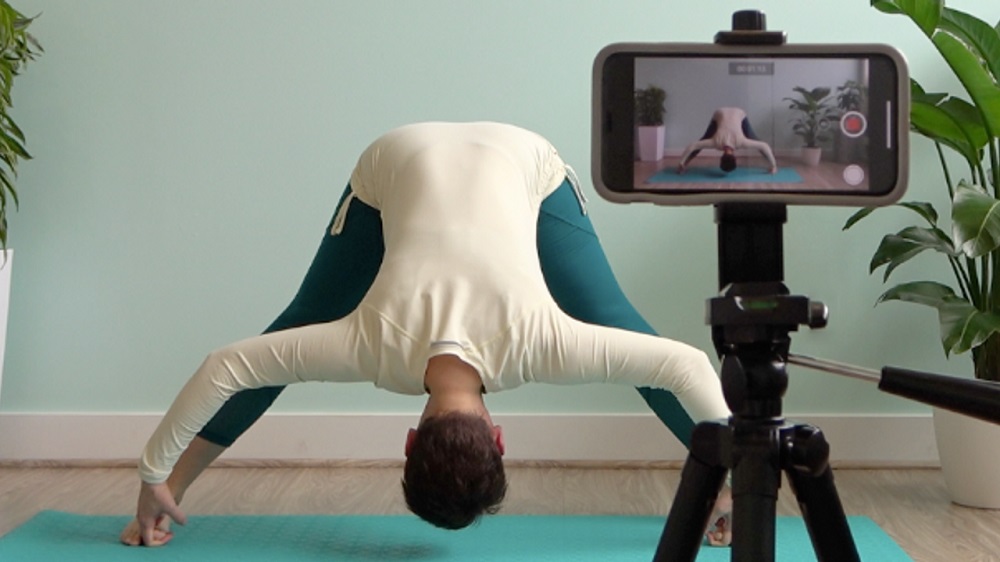
One-to-one instruction creates opportunities to collect detailed movement information, but more data does not always produce better decisions. Clients attending private yoga classes singapore can use video, mobility logs and wearable devices selectively while keeping comfort, movement quality and instructor observation at the centre of the programme.
Each tool should answer a defined question. If a measurement does not change exercise selection, pacing or review, collecting it may add complexity without adding value.
Start With a Decision, Not a Device
Technology is useful when it helps decide what to do next. Before recording anything, the instructor and client should identify the practical question.
Examples include:
- Does balance change as a hold continues?
- Is a transition smoother with a higher support?
- Does one side require a smaller range?
- Is the client practising consistently between sessions?
- Does a demanding class affect recovery the next day?
- Is comfortable range changing over several weeks?
The question determines which tool, if any, is appropriate.
A phone camera may help with a visible transition, while a short written log may be better for symptoms and recovery.
Video Shows Movement but Not Sensation
Video can reveal changes that are difficult to feel. Slow playback may show a sudden weight shift, loss of balance or reliance on momentum.
However, the camera cannot identify pain, pressure, fear or muscular effort. A movement can look controlled while feeling uncomfortable.
The client should describe the experience before watching the recording. This preserves internal feedback rather than allowing the visual image to replace it.
Video review should focus on the original question. Searching for every small asymmetry can create unnecessary concern about normal anatomical variation.
Use Consistent Recording Conditions
Comparison becomes more meaningful when the camera angle, distance and task remain similar.
A front view may show lateral weight shifts, while a side view may reveal trunk movement. Wide-angle lenses and low camera positions can distort proportions.
The instructor should select the view according to the movement being assessed. One short clip is often sufficient.
Recording an entire session can distract from practice and create unnecessary personal data.
Mobility Logs Should Track Usable Range
A mobility log does not need to contain precise joint angles. It can record a repeatable reference such as block height, hand position or perceived effort.
Useful entries may include:
- Exercise or pose.
- Support used.
- Comfortable range.
- Breathing quality.
- Left-to-right difference.
- Symptoms during and after practice.
- Confidence performing the movement.
The log should distinguish maximum range from controlled range. Reaching farther is not meaningful if the client loses stability or experiences joint discomfort.
Reviewing the log every few weeks is usually more useful than analysing every daily fluctuation.
Wearables Measure Broad Context
Fitness watches can record session duration, heart-rate trends and general activity load. They cannot judge alignment, breathing quality or whether a modification was suitable.
Heart rate may remain low during demanding balance or trunk work. Wrist readings may also become less accurate during hand-supported positions or when the wrist is flexed.
Calorie estimates should be treated cautiously. They rely on algorithms and do not determine whether a session achieved its movement objective.
Wearables are most useful for understanding the wider training week. They may show that yoga is being added to several other demanding activities without adequate recovery.
Avoid Turning Data Into a Performance Test
Private yoga should not become a weekly attempt to beat every previous number. Movement capacity changes with sleep, stress, travel and other exercise.
A client may use more support during one session while demonstrating better judgement and breathing. That can represent progress even if the numerical score appears lower.
Data should guide discussion, not create pressure. If tracking increases anxiety or encourages the client to force range, the measurement should be changed or removed.
Use a Minimal Tracking Dashboard
A simple programme may need only four measures:
- One movement task linked to the goal.
- Perceived effort from one to ten.
- Confidence performing the task.
- Recovery later that day or the following morning.
An occasional video can provide an additional visual reference. The wearable can remain a background activity log.
This small dataset is easier to interpret than dozens of unrelated metrics.
Protect Privacy
Movement videos and health-related notes can contain personal information. The client should understand what is recorded, where it is stored and when it will be deleted.
Consent to one recording does not automatically cover future sessions or promotional use. Sharing a clip on social media requires separate, specific permission.
Devices should be positioned to avoid capturing other clients or staff unnecessarily. Cloud backups and messaging apps also need consideration because files may be copied beyond the original device.
Data collection should remain proportionate to the teaching purpose.
Review Whether the Tool Still Helps
Technology may be useful during one phase of the programme and unnecessary later. Once a transition becomes consistent, continued filming may add little.
At each milestone review, ask:
- Did the data change a decision?
- Does the client understand what it shows?
- Is collection taking time away from practice?
- Is the measure encouraging useful behaviour?
- Can a simpler method provide the same information?
If the tool no longer helps, stop using it.
Keep Human Interpretation Central
At Yoga Edition, one-to-one participants can combine selective tracking with direct instructor feedback. The private setting allows technology to be used for specific questions rather than applied automatically to every movement.
Video, mobility logs and wearables each capture a narrow part of the experience. None can replace the client’s report or the instructor’s contextual judgement.
Data works best when it makes the programme simpler and more relevant. When tracking begins to dominate attention, reducing it can improve the quality of practice. The goal is informed movement, not the largest possible collection of numbers and recordings.