

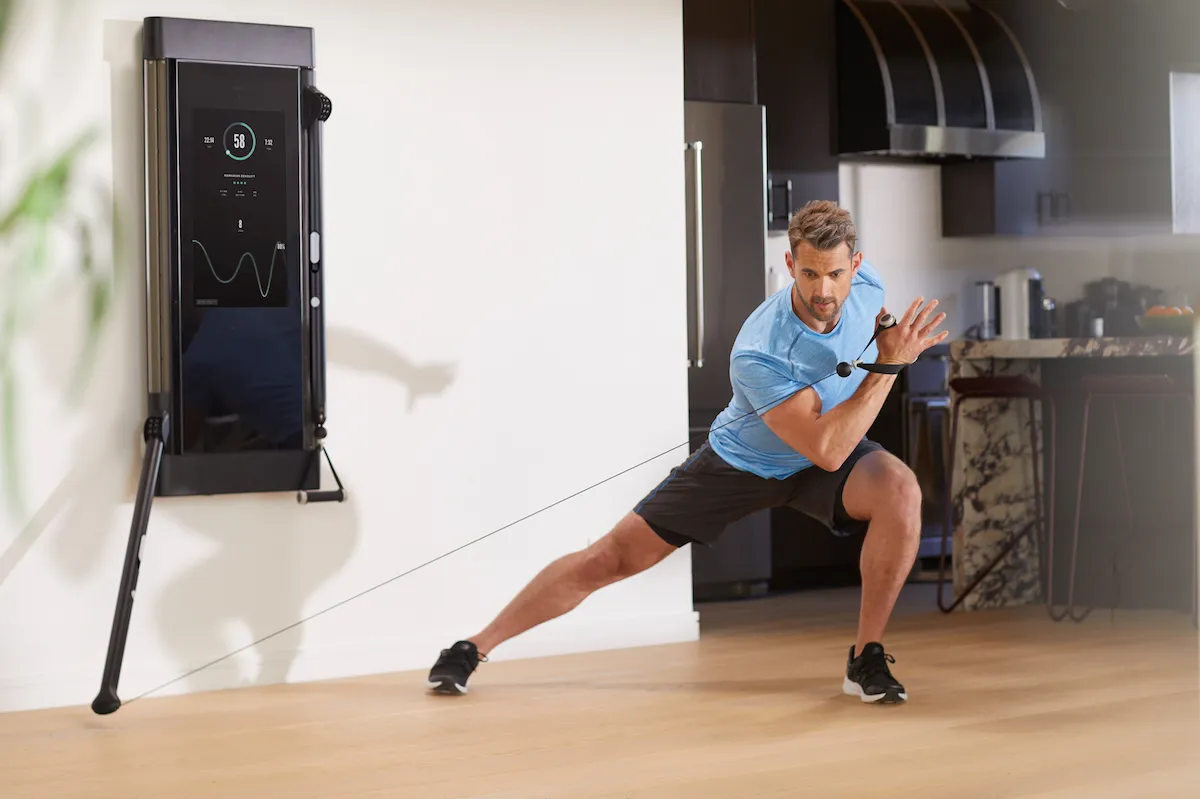
Technology is transforming the way people approach health and wellness. In the past, gyms were defined by physical equipment and in-person trainers. Today, artificial intelligence (AI), wearable technology, and smart equipment are shaping the future of fitness. Choosing a gym Singapore that integrates these innovations allows members to personalise their experience, improve accountability, and achieve results with greater efficiency.
The adoption of technology in gyms is not just a passing trend. It reflects the growing demand for data-driven insights, convenience, and tailored training. Smart fitness is empowering individuals to take more control of their health, supported by both real-time feedback and long-term progress tracking.
What Smart Fitness Means
Smart fitness is the use of technology to improve exercise outcomes. It includes devices, apps, and machines that collect data, analyse performance, and recommend adjustments. Unlike traditional methods, smart fitness provides constant feedback to ensure workouts are safe, efficient, and effective.
Key Components of Smart Fitness
-
Wearables: Smartwatches and fitness bands that monitor steps, heart rate, and sleep.
-
AI Coaching: Virtual trainers that provide real-time guidance.
-
Connected Equipment: Machines that sync with apps to track progress.
-
Mobile Integration: Apps that connect workouts, nutrition, and lifestyle habits.
This integration ensures that fitness becomes more than a routine, but a fully personalised journey.
The Role of AI in Modern Gyms
Artificial intelligence is increasingly used to enhance member experiences.
AI-Powered Training
AI systems can design personalised training plans based on individual goals, body type, and current fitness levels. These plans evolve over time, adapting as progress is made.
Real-Time Feedback
Smart mirrors, virtual trainers, and motion sensors provide live corrections during exercises. This reduces the risk of injury while improving form.
Predictive Analytics
AI analyses long-term data to predict plateaus and recommend changes in training. It ensures constant progress without stagnation.
By using AI, gyms are able to bring advanced coaching to more members without requiring one-on-one trainers for every session.
Wearable Technology in Gyms
Wearable technology is one of the most visible aspects of smart fitness. Devices such as smartwatches, chest straps, and fitness trackers are now everyday essentials.
Benefits of Wearables in Fitness
-
Continuous heart rate monitoring
-
Sleep and recovery tracking
-
Calorie expenditure estimation
-
Step counts and daily activity logs
When synced with gym equipment, wearables create a full ecosystem of data. This allows members to understand how their lifestyle choices outside the gym impact their performance inside it.
Smart Gym Equipment
Modern gym Singapore outlets now feature equipment with built-in sensors and connectivity.
Examples of Smart Machines
-
Treadmills: Track pace, heart rate, and sync with fitness apps.
-
Spin Bikes: Provide resistance control linked to virtual courses.
-
Strength Machines: Adjust resistance automatically based on progress.
-
Rowers: Monitor strokes per minute and energy output in real time.
This technology makes workouts interactive and engaging, motivating members to push themselves further.
Mobile Apps and Gym Integration
Fitness apps have become indispensable tools. They connect wearable data, equipment stats, and nutrition tracking into one interface.
Common Features in Gym Apps
-
Class bookings and reminders
-
Personalised workout programmes
-
Integration with diet and hydration logs
-
Progress reports with weekly or monthly summaries
Members no longer rely solely on memory or manual logging. Apps keep them accountable and motivated by showing tangible results.
Benefits of Smart Fitness for Different Users
Smart fitness offers value to all demographics, from beginners to advanced athletes.
For Beginners
AI coaching ensures they learn proper form and avoid injury. Wearables track progress to build confidence.
For Busy Professionals
Apps allow them to squeeze in quick sessions while still monitoring results. Virtual trainers save time and provide flexibility.
For Seniors
Wearables help track vital signs and provide alerts if heart rates become unsafe. AI adjusts workout intensity to match mobility and health levels.
For Fitness Enthusiasts
Detailed analytics, performance tracking, and advanced equipment push them to new limits.
How Smart Fitness Is Changing Gym Culture in Singapore
The integration of technology has shifted how members view their gym experiences.
Key Cultural Changes
-
Fitness is now measurable, not just felt.
-
Data-driven decisions replace guesswork in training.
-
Members are more engaged due to interactive equipment.
-
Accountability increases, improving long-term consistency.
Smart fitness is turning gyms into innovation hubs rather than simple exercise spaces.
Challenges of Smart Fitness
While technology offers many benefits, it also presents challenges.
Cost
Smart equipment and AI systems often increase operational expenses.
Data Privacy
Members must trust gyms to handle personal health data responsibly.
Over-Reliance
Some individuals may become too dependent on technology, neglecting intuition and self-awareness.
Balancing technology with traditional methods ensures sustainability.
Why TFX Reflects the Smart Fitness Model
A lifestyle-focused fitness centre like TFX exemplifies how gyms in Singapore are embracing smart fitness. By combining advanced technology with expert coaching, it creates a balanced experience that supports both beginners and seasoned athletes. This integration represents the future of fitness in Singapore.
FAQs About Smart Fitness in Singapore Gyms
Q. Do I need to be tech-savvy to benefit from smart fitness?
A. No. Most devices and apps are user-friendly, designed with simplicity in mind. Trainers also help members get started.
Q. Are smart fitness gyms more expensive?
A. Some premium facilities charge higher fees due to advanced equipment. However, many options remain affordable as technology becomes mainstream.
Q. Can AI replace personal trainers?
A. AI provides valuable guidance, but personal trainers offer emotional support, accountability, and motivation that technology cannot fully replicate.
Q. How accurate are wearables?
A. While wearables provide reliable trends, they are not perfect. They should be used as supportive tools rather than absolute measures.
Q. Will smart fitness continue to grow in Singapore?
A. Yes. As technology advances and demand for personalisation increases, more gyms will adopt AI and wearable tech to remain competitive.