

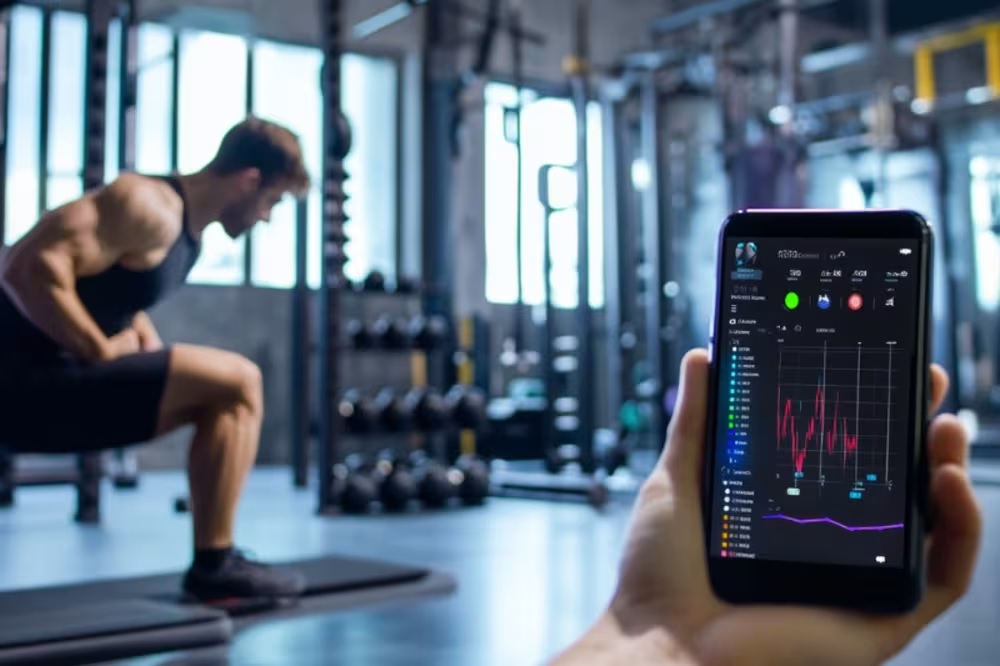
Technology is revolutionising the fitness world, and Singapore is at the forefront of this transformation. Once centred around weights, treadmills, and simple routines, gyms have now evolved into smart ecosystems that blend artificial intelligence, biometric tracking, and mobile integration. For many members, a fitness gym Singapore visit now feels more like an interactive digital experience than a traditional workout. From personalised AI training to real-time body analysis, technology is reshaping how Singaporeans train, recover, and stay motivated.
The Digital Revolution in Fitness
Singapore’s strong infrastructure and digital maturity have positioned it perfectly for tech-enabled wellness. As members seek efficiency, convenience, and results, gyms have begun integrating technology to enhance every stage of the fitness journey — from onboarding to performance tracking.
The result is a shift from manual instruction to data-driven precision. Every workout is now optimised through analytics, allowing individuals to train smarter, not harder.
How AI Is Transforming Gym Workouts
Artificial intelligence is no longer limited to tech companies; it has entered the fitness floor. AI-powered systems collect data from wearables, gym equipment, and apps to generate personalised workout recommendations based on each user’s strength, mobility, and recovery needs.
Key AI applications in Singapore’s gyms include:
- Smart trainers: Digital platforms that design workouts and adjust difficulty in real time.
- Motion tracking systems: Analyse posture, form, and range of motion for injury prevention.
- AI-driven nutrition guidance: Suggests meal plans based on workout intensity and goals.
- Predictive recovery tracking: Determines when users should rest or train based on heart rate variability.
This intelligent approach personalises fitness experiences that adapt to each member’s body, ensuring efficiency and safety.
The Integration of Apps and Gym Systems
Mobile apps have become the centrepiece of the modern fitness ecosystem. In Singapore, almost every gym offers a proprietary app that connects members to their workout schedules, trainers, and performance data.
Common app-based features include:
- Booking group classes and personal training sessions.
- Tracking body composition and workout history.
- Integrating nutrition logs and hydration tracking.
- Accessing on-demand virtual workouts during travel.
- Receiving real-time progress updates via push notifications.
This app-based accessibility keeps members connected to their fitness goals even outside the gym, promoting consistency.
Biometric Tracking and Wearable Integration
Wearable devices have redefined how individuals measure progress. Smartwatches, heart rate monitors, and fitness rings now sync seamlessly with gym systems. Trainers can view member data instantly, allowing them to tailor intensity and technique in real time.
Popular metrics used in Singapore’s gyms include:
- Heart rate zones for performance calibration.
- Oxygen saturation (SpO2) for endurance monitoring.
- Caloric expenditure and recovery time.
- Sleep tracking for recovery insights.
- VO2 max measurements for aerobic capacity improvement.
With these metrics, workouts are no longer based on guesswork — they are scientifically optimised for results.
Smart Equipment and Connected Training
Traditional gym machines are giving way to smart fitness equipment that adapts to users automatically. Using sensors and digital displays, these machines adjust resistance, count reps, and analyse muscle engagement.
Common examples found in Singapore’s leading gyms include:
- AI-controlled resistance machines that match load to strength capacity.
- Digital cable systems that track form and provide instant feedback.
- Smart treadmills with built-in biometric sensors and performance apps.
- Connected weight benches displaying real-time data for controlled movements.
These innovations allow for precise training while reducing injury risk and promoting consistent progression.
Virtual Trainers and Hybrid Gym Models
The future of fitness is hybrid — combining physical and virtual elements. Many Singaporean gyms now offer members the choice to attend classes in person or stream them online via integrated platforms.
Virtual trainers powered by AI simulate the personal coaching experience through video recognition and feedback. Members can train anywhere while receiving live correction and motivation. This flexibility appeals to busy professionals who may not always have time for in-person sessions.
Hybrid training models provide:
- Access to on-demand workouts through mobile apps.
- Real-time tracking that syncs between home and gym.
- Virtual progress dashboards for accountability.
- Gamified challenges that boost consistency and engagement.
This seamless integration ensures that fitness continues regardless of time or location.
Data-Driven Personalisation for Every Member
One of the biggest strengths of technology in fitness is individualisation. No two members train or recover the same way, and AI tools now account for these differences. Singapore’s gyms use advanced data mapping to identify strengths, weaknesses, and potential injury risks.
Trainers then use this data to:
- Customise workout intensity and recovery days.
- Track improvements across body composition.
- Adjust training variables such as tempo, resistance, and rest intervals.
- Create digital fitness reports showing progress over time.
This analytical approach not only improves performance but also keeps members engaged through measurable milestones.
Technology for Recovery and Well-Being
Recovery is a crucial part of modern training, and technology now plays a central role in it. Gyms in Singapore have introduced recovery stations equipped with high-tech tools designed to accelerate healing and reduce soreness.
Advanced recovery technologies include:
- Percussive therapy guns for deep-tissue muscle release.
- Infrared saunas that promote circulation and detoxification.
- Cryotherapy booths for inflammation control.
- Compression boots for post-leg-day recovery.
- AI-guided stretching devices that adapt to flexibility levels.
By integrating recovery technology, gyms ensure members train sustainably without the risk of burnout.
How Technology Improves Motivation and Accountability
One of the biggest challenges in fitness is consistency. Technology helps address this by gamifying the process and providing visual progress. Members receive instant feedback, which reinforces commitment.
Some of the most effective motivational tools include:
- Digital badges and achievement milestones in apps.
- Leaderboards for friendly competition.
- Real-time calorie burn and workout summaries.
- AI-driven reminders for hydration and rest.
- Virtual group challenges that build community engagement.
This gamified structure creates a sense of progress that keeps members returning to the gym regularly.
The Role of Data Privacy and Security
As technology becomes integral to fitness, data security has become a top concern. Singapore’s gyms adhere to strict privacy policies to ensure that personal health data collected through apps and wearables remains confidential and encrypted.
Gyms partner with certified tech providers that comply with global data protection standards. This builds trust among members who rely on technology to manage their fitness data.
The Role of True Fitness Singapore in Tech-Driven Wellness
Among the many gyms embracing smart fitness in the city, True Fitness Singapore stands out for integrating human expertise with digital innovation. Its approach combines professional guidance, biometric tracking, and modern recovery systems to create a complete performance ecosystem. Members enjoy structured, data-based fitness programs that enhance both safety and results — all while maintaining the human connection that technology alone cannot replace.
FAQs
Q1. How is technology changing fitness in Singapore?
It enables personalisation, precision, and accountability through smart equipment, AI coaching, and connected apps.
Q2. Do smart gyms require wearable devices?
Not necessarily, but using them enhances accuracy in tracking performance, recovery, and calories burned.
Q3. Are AI trainers as effective as human coaches?
They provide data-driven insights and structure, but human trainers still excel in motivation and emotional guidance.
Q4. Can I track my gym progress across different devices?
Yes, most gyms in Singapore sync data between apps, wearables, and equipment for seamless tracking.
Q5. How do tech-driven gyms protect user data?
They follow strict privacy regulations and encrypt all health data shared between devices and servers.
Q6. What’s the biggest advantage of using technology in fitness?
Efficiency — every session becomes goal-oriented, measurable, and tailored to the individual’s body and lifestyle.
Q7. Is the tech-driven gym trend here to stay?
Absolutely. With constant innovation and user demand for personalisation, technology is shaping the future of Singapore’s fitness industry.